Timeline
Historical Findings
Our TimelineThis high-level timeline summarizes key moments in Loyola’s history in the context of Jesuit slaveholding in Maryland. It is excerpted from the Task Force Report Examining Loyola’s Connections to Slavery, which contains a detailed history of events along with citations.
Jesuit Slaveholding in the Maryland Region
The history of the Jesuit plantations in Maryland mirrors this larger history of slavery
in the Chesapeake region and the United States more broadly. The first Jesuits led
by Fr. Andrew White arrived in the colony in 1634, accompanied by twenty-six English
indentured servants. Over the course of the seventeenth and eighteenth centuries,
the Jesuits gained more land for plantations and farms across Maryland and southern
Pennsylvania. As was the case elsewhere in the seventeenth-century Chesapeake, the
Jesuits at first relied on indentured servants and tenant farmers but when, unable
to secure enough servants or tenants, the Jesuits began to purchase enslaved Africans.
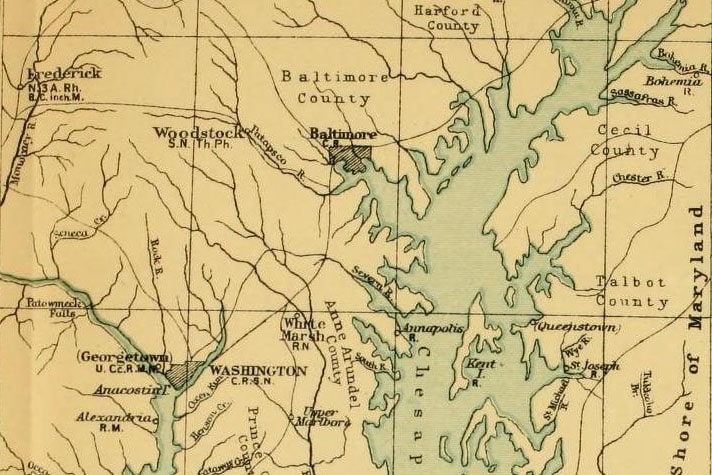
By 1765, the Jesuits held some 192 enslaved individuals on seven plantations totaling
over 12,000 acres.
Caption: Map of Jesuit Stations in in the Chesapeake region from the 17th to 19th
centuries. Photo courtesy of the Georgetown Slavery Archive
Loyola's Historic Ties to Slavery
The connections between slavery and Jesuit higher education came to national attention
in 2016 when a New York Times story detailed the ways Georgetown University benefitted from the proceeds of the
1838 sale of 272 African American men, women, and children who were enslaved by the
Maryland Province of the Jesuits. While attention at the time largely focused upon
Georgetown, subsequent years have seen a growing recognition of the wider impact of
this sale—and Jesuit slaveholding more generally—upon many other institutions founded
or supported by the Maryland Province of Jesuits, including Loyola University Maryland.
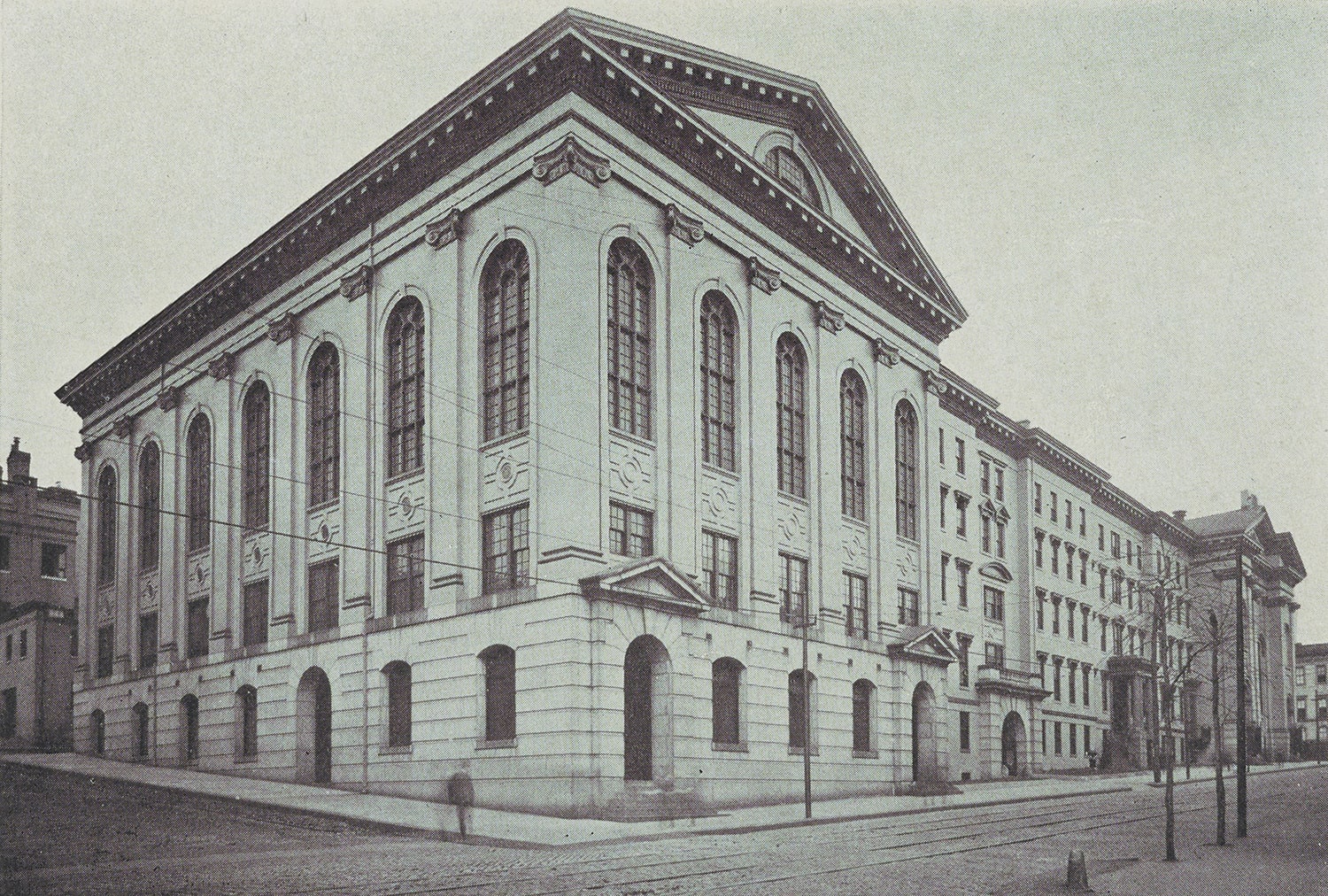
Caption: Loyola College, which was located on Calvert Street in Baltimore from 1855-1922
before moving to its current Evergreen campus location. Photo from the Loyola University
Maryland Archives.
Black Workers at Loyola, 1880-1930
Census records, city directories, and Jesuit house diaries document the presence of
Black employees at Loyola in the decades following the Civil War. In addition, forced
laborers and formerly enslaved people, including Louisa Mahoney Mason, worked for
the Jesuits for decades, supporting the Maryland Province, and by extension, Loyola.
In late 19th and early 20th century records, Black men are listed as servants, waiters,
butlers, porters, and drivers at Loyola. Most of these workers who performed the difficult
work that sustains a university are not mentioned by name in the archives. One exception
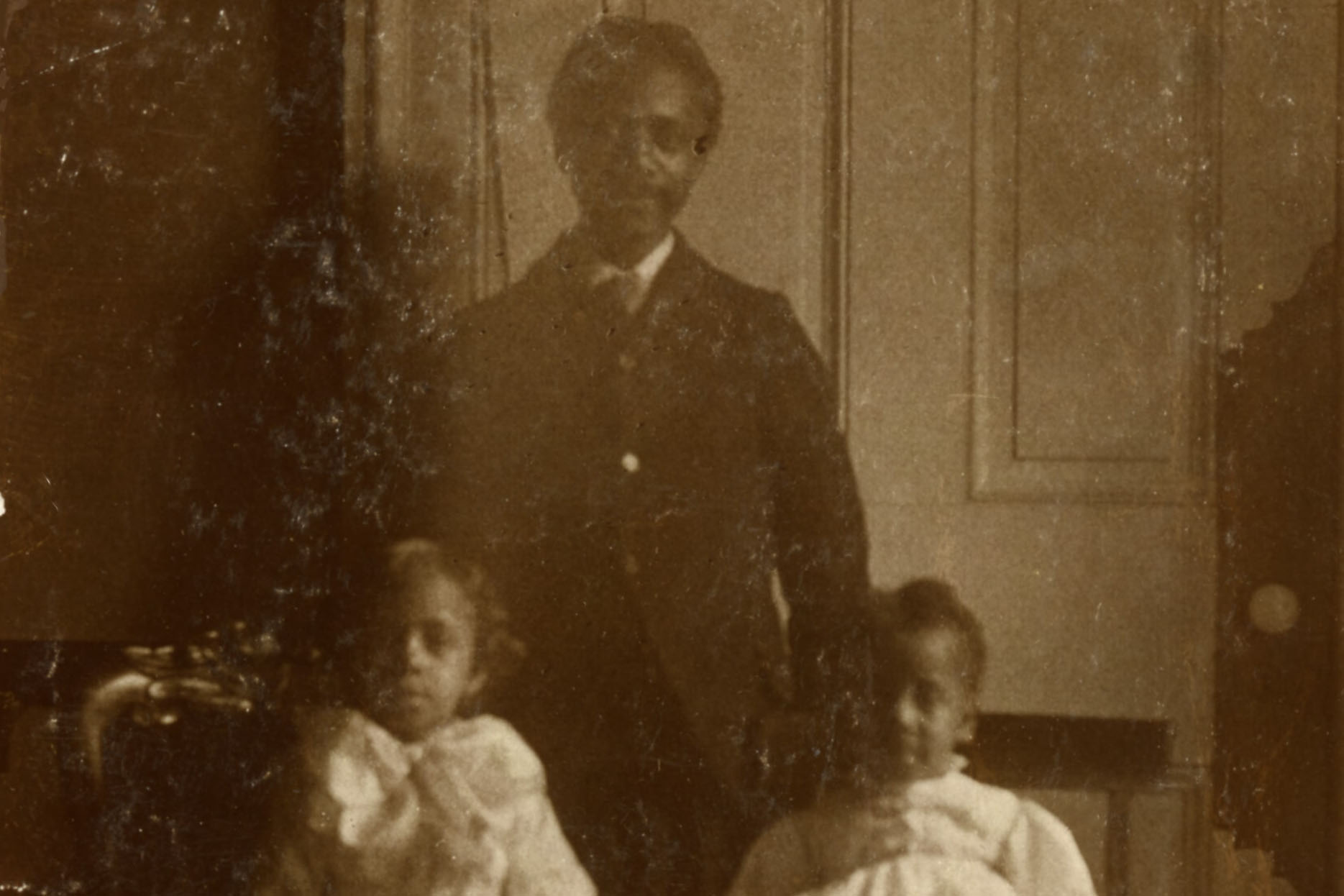
is Madison Fenwick. According to a Jesuit house diary, Fenwick worked as a refectorian
at Loyola for more than 40 years. Upon his death in 1924, Loyola priests visited his
family at home to offer condolences and said a requiem Mass for Fenwick at St. Ignatius
Church.
Caption: Portrait of Madison Fenwick and two children in a photo album kept by Loyola
Jesuits, circa 1897. Fenwick was a Loyola employee for more than 40 years, from the
1880s-1920s. From the St. Ignatius Church Archives.
Post Civil War
The decades after the Civil War brought forth moments that promised a more free and
equal future for all Americans but also powerful movements that fought hard against
that promise. Discriminatory laws, racial violence, and the rise of the “Lost Cause”
ideology, which recast the Confederacy as noble and minimized slavery’s central role
in the war, took hold in public culture through monuments, literature, and art. This
narrative also found expression at Loyola, where Jesuits hosted prominent Lost Cause
figures, awarded prizes in their honor, and fostered relationships with their advocates.
Into the twentieth century, this legacy continued through racist forms of entertainment
such as blackface minstrel shows, student writings praising the Ku Klux Klan, and
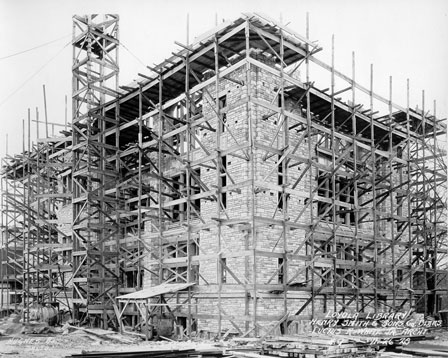
the commemoration of Confederate soldiers and supporters, including George Carrell
Jenkins. Together, these practices and symbols leave legacies that persist into the
present.
Caption: Jenkins Hall, under construction on the Evergreen campus in 1928. Photo from
the Loyola University Maryland Archives.
Loyola’s Path to a More Inclusive Campus Community
When Loyola College moved from downtown to northern Baltimore in 1922, its new location
was connected to racial discrimination, redlining, and restrictive covenants that
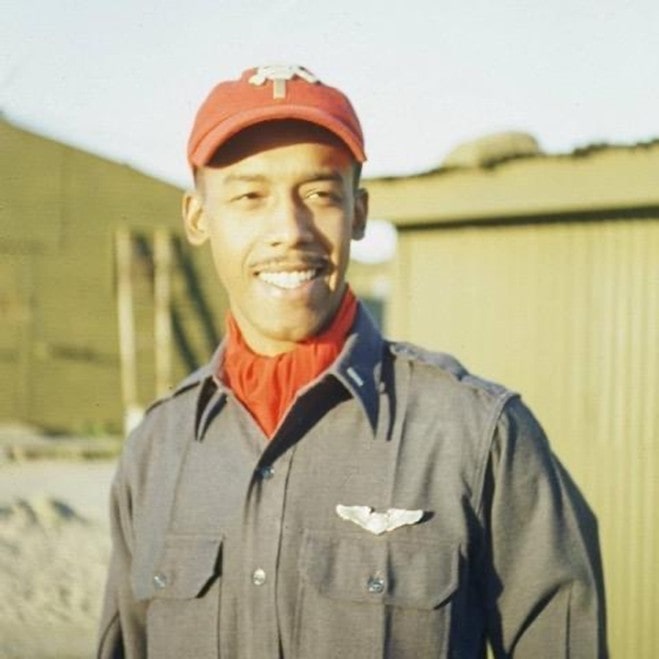
limited education on campus to white students. Loyola admitted its first full-time
Black undergraduate student, Charles H. Dorsey, Jr., in 1949. Dorsey subsequently
earned a law degree and later became the executive director of the Maryland Legal
Aid Bureau, where he worked to alleviate the plight of Baltimore’s marginalized populations.
Dorsey pioneered a path for other Black students at Loyola, but the college fell short
of full integration.
Caption: Charles Dorsey during his U.S. Air Force service, early 1950s. In 1949, Dorsey
became the first full-time Black traditional day undergraduate student admitted to
Loyola. From the Dorsey family photo collection.
Ongoing Legacies and the Work of Repair
The late 20th and early 21st centuries at Loyola witnessed numerous initiatives that
sought to make social and racial justice more central to the University’s mission
and identity. Still, even as social justice has become a more central emphasis at
Loyola and across Jesuit higher education, the unresolved legacies of Jesuit slaveholding
remain and there is a need for further reparative efforts on campus and with the descendants
and Baltimore communities.
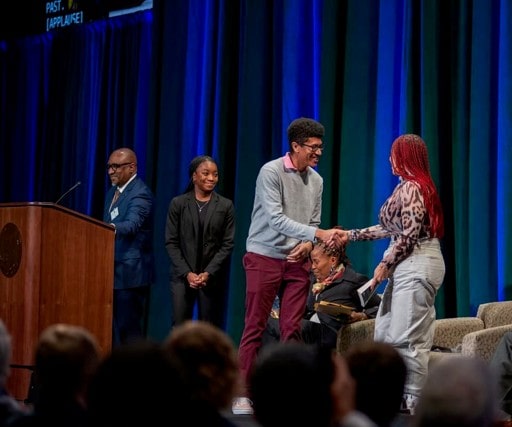
Caption: Loyola students Madison Payne, '26, and Brandon Nefferdorf, '25, welcome Nikole
Hannah-Jones, Pulitzer Prize-winning reporter and creator of The 1619 Project, to
campus in 2025.
Please see Part II and Part III of the Task Force Report for a more detailed look at Loyola’s ongoing work and recommendations for the future.