Choreography of Community
Rev. Timothy Brown, S.J., reflects on Loyola and Baltimore’s shared commitment to creating a hopeful future
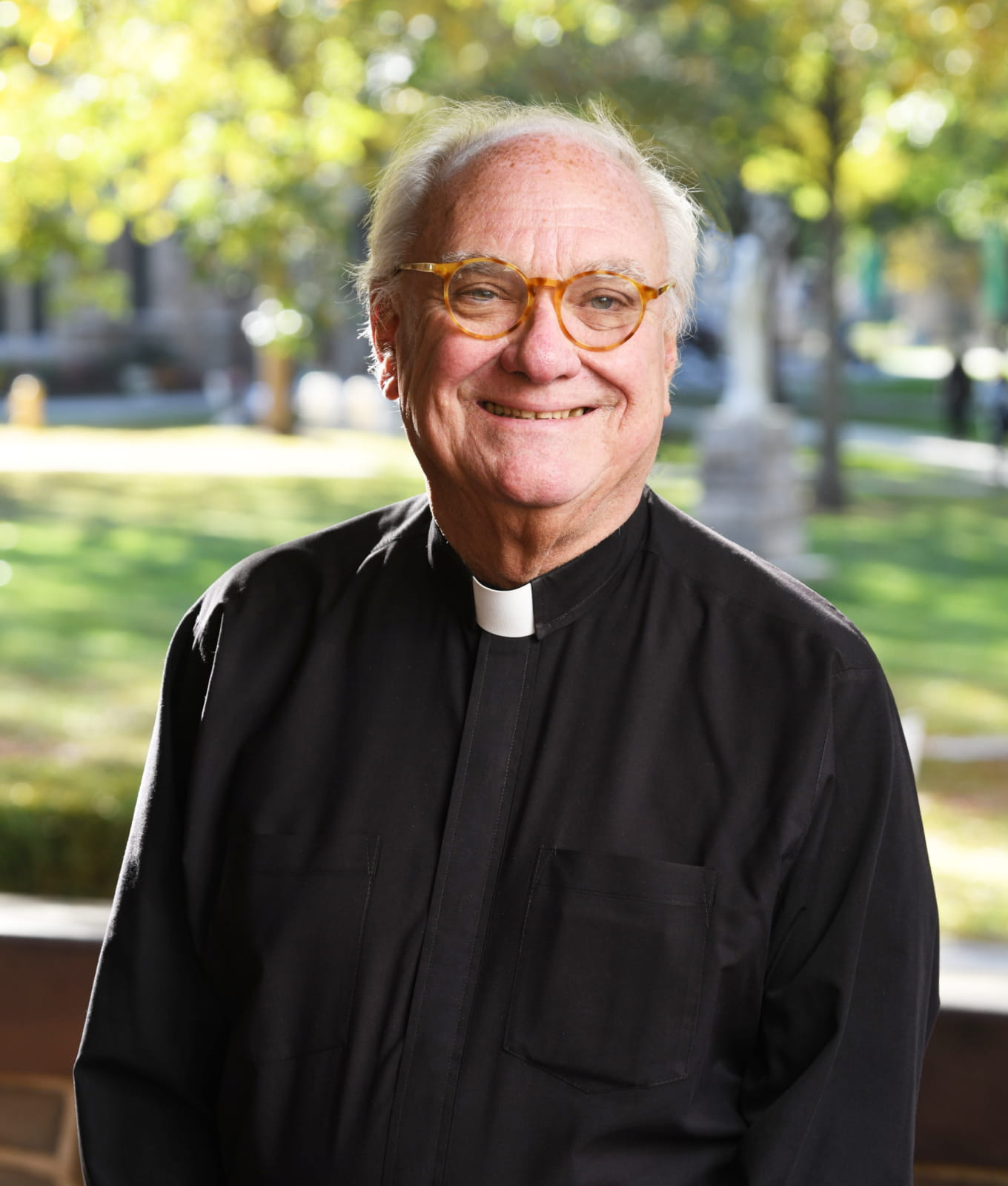 Rev. Timothy Brown, S.J. - Photo by Aaron Boutwell
Tell me the landscape in which you live, and I will tell you who you are.
Those are powerful words from the Spanish philosopher José Ortega y Gasset. They speak not just to how people live in landscapes and ecosystems, but also the ways in which we are all connected.
Place is so important. Wherever we live and work and study, we are connected to the ecosystem around us. That’s why the Society of Jesus intentionally founded schools in urban settings. Especially when starting schools and colleges in the United States, they wanted their students to learn in the great cities of this nation.
Jesuit colleges and universities thrive because of their commitment to their urban homes—and the cities thrive because of their connection to these higher education institutions. In the best ways, those institutions and their cities form shared identities, elevate each other, and enhance learning and living across the ecosystem.
Here at Loyola, we see that in the way in which our University is engaged and partnering with the city of Baltimore. The creation of the Govans Farmers Market, the evolution of the Loyola Center for Neighborhood Resilience, and the opening of the Loyola Community Center are examples of the ways Loyola and the neighborhoods around it are strengthening each other. Loyola is only enriched by its neighborhoods and its presence in Baltimore, just as Baltimore and our neighbors are enriched by our presence. Our stories, our roles in this ecosystem, are intertwined.
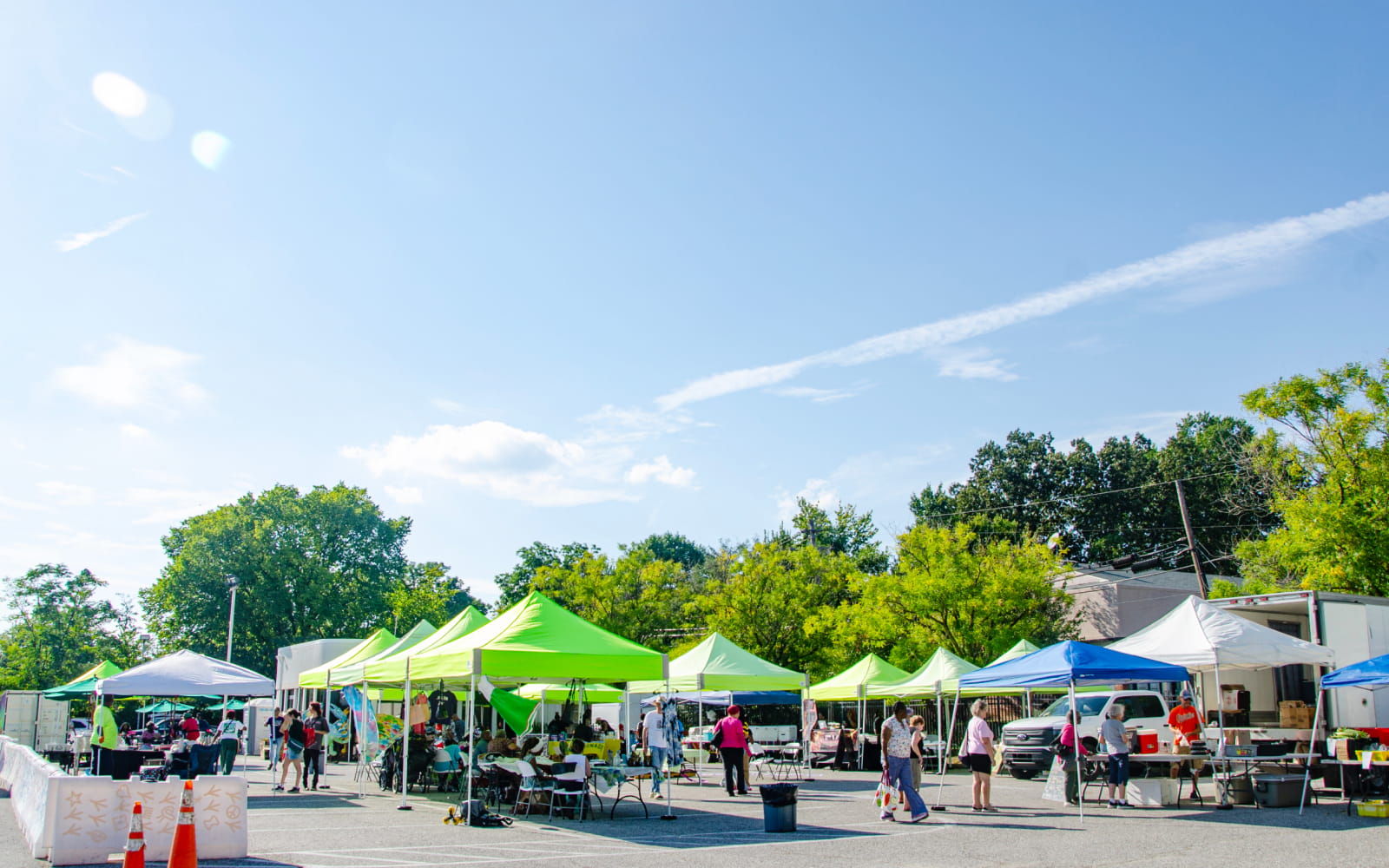 The Govans Farmers Market has provided the York Road community with produce that is affordable, fresh, and local for 15 years and counting. - Photo by Aaron Boutwell
It’s an ongoing project and a dream that St. Ignatius would have understood, recognizing that learning is not for the individual but for the greater good, with a significant impact.
When urban activist Jane Jacobs fought against highways being constructed in Manhattan, she recognized the importance of advocating for urban communities.
The author of The Death and Life of Great American Cities described the idea of an urban ballet, where people sit on their stoops—just like in Baltimore—and observe what is happening on the street. From their elevated steps, they watch children at play and people sweeping their sidewalks. They see neighbors interacting and creating a community that is alive and well.
The way in which the early Jesuits were very focused on cities in their creativity is a metaphor for that intricate urban ballet. That choreography of community is one that is worth watching as it evolves and changes and lives out the mission the Society of Jesus established so many years ago.
“Tell me the landscape in which you live, and I will tell you who you are.”
Loyola is Baltimore. Baltimore is Loyola. Together, we are writing a story for the future—a beautiful story of opportunity and learning and living hope.
Rev. Timothy Brown, S.J., assistant to the president for mission integration and associate professor of law and social responsibility, is co-founder of the Center of Values and Service, which became the Center for Community, Service, and Justice (CCSJ). Fr. Brown serves as a key advisor and liaison to the leadership of the Mission and Identity Division, particularly with regards to CCSJ.

Our Common Home, A Hub for Community
Read about the Loyola Community Center